What Are Decorative Building Materials?
The contractor holds a stone veneer sample against a framed wall. Next to him, the homeowner turns a strip of wood trim under a bare jobsite light, then slides a ceramic tile beside it to compare color and texture. In that unfinished room, decorative building materials stop being an abstract idea. You can see the space taking shape before drywall is even up.
But the sample that wins in your hand is not always the one that wins on the building. That veneer may face freeze-thaw at a front entry. The trim may sit in a damp powder room. The tile may land in a busy restaurant corridor. When you choose a finish, you are choosing looks, cleaning, repair risk, and lifespan all at once.
What are decorative building materials?
Decorative building materials are finish or surface-layer products that shape a building’s appearance, texture, and feel. They usually are not the primary structural system, but they often add protection, wear resistance, or weather performance along with style.
How decorative materials differ from structural materials
Think of the difference this way: structural materials hold the building up; decorative materials finish it off. Steel beams, concrete slabs, wood studs, and load-bearing masonry carry weight and resist forces. Stone veneer, tile, trim, plaster, wall panels, and coping change what you see and touch.
That line is not always perfectly clean. Brick veneer, for example, helps with weather protection even when it is not the main structural wall. Exterior cladding can shield sheathing from rain and sun. Floor finishes can resist wear. Still, the basic distinction holds: decorative materials are usually there to shape the finished surface rather than serve as the primary skeleton.
| Material Type | Main Job | Typical Examples | Primary Structural Role? |
|---|---|---|---|
| Structural materials | Carry loads and stabilize the building | Studs, joists, beams, slabs, load-bearing block walls | Yes |
| Decorative materials | Finish surfaces and influence appearance | Stone veneer, tile, plaster, trim, siding, wall caps | Usually no |
| Hybrid cases | Protect surfaces while improving appearance | Brick veneer, exterior cladding, coping, pavers | Sometimes limited, often secondary |
Rule of thumb: if the material changes the look more than the structure, it’s probably decorative.
Where they’re used in homes and commercial buildings
You find these materials almost everywhere people actually experience a building: on walls, ceilings, floors, facades, trim, entries, parapets, fireplaces, stair surrounds, and outdoor living areas. In a house, that might mean kitchen backsplash tile, porch columns, window trim, pavers, or a stone-clad foundation. In a commercial project, think lobby wall panels, storefront accents, coping on a parapet, restroom tile, or decorative concrete at an entry.
Interior and exterior use can change the decision completely. An interior plaster finish in a dining room faces very different demands than a precast wall cap exposed to rain, UV, and winter salt. A material can look perfect in a showroom and still be wrong for the actual assembly.
Examples you see every day
If you walk through a suburban kitchen, a downtown office lobby, or a Main Street storefront, you are surrounded by decorative finishes. Some are obvious. Some are easy to miss until they fail.
- Brick or stone veneer on a front facade
- Wood trim around doors, windows, and ceilings
- Ceramic or porcelain tile in baths, kitchens, and foyers
- Plaster or drywall finishes on interior walls and ceilings
- Metal panels or decorative screens at entries
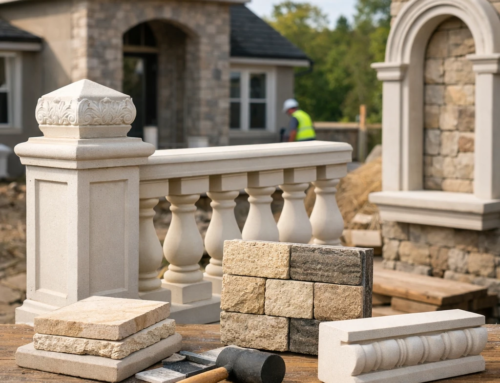
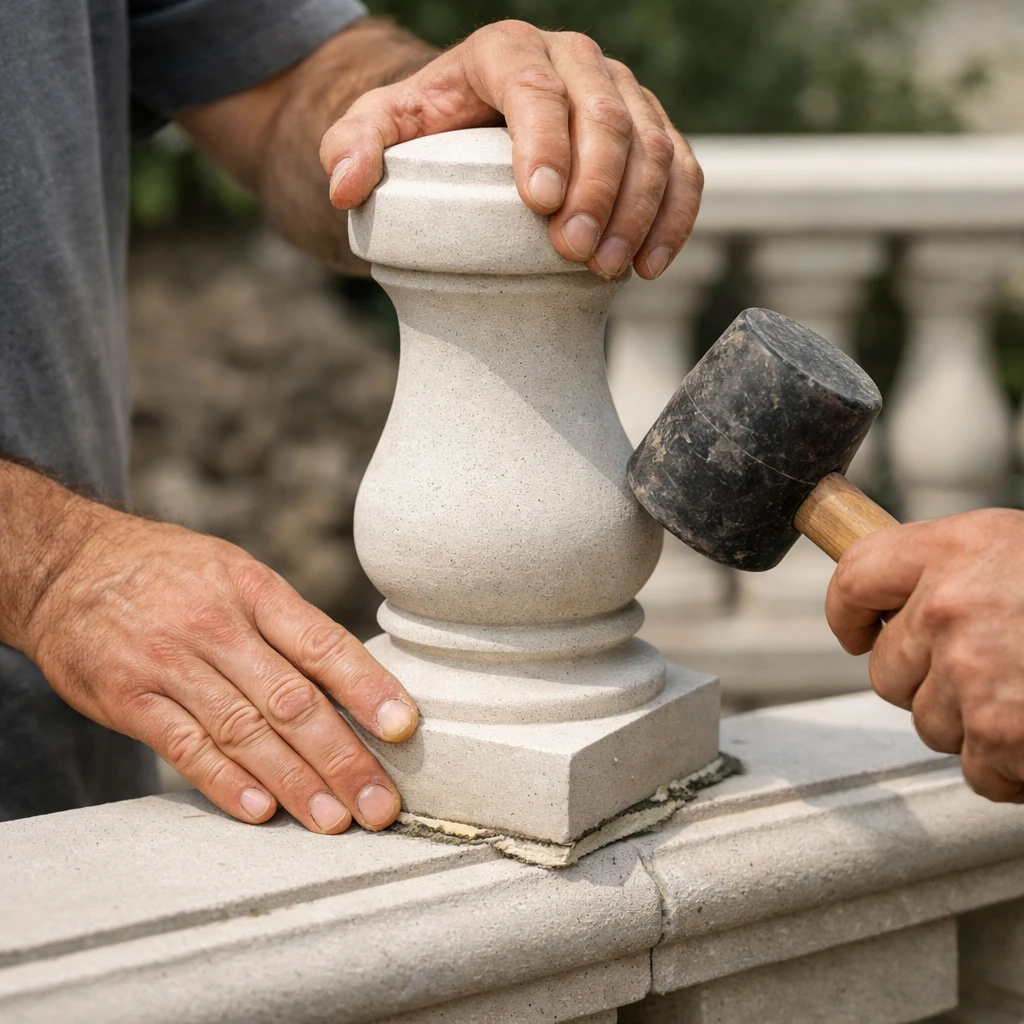
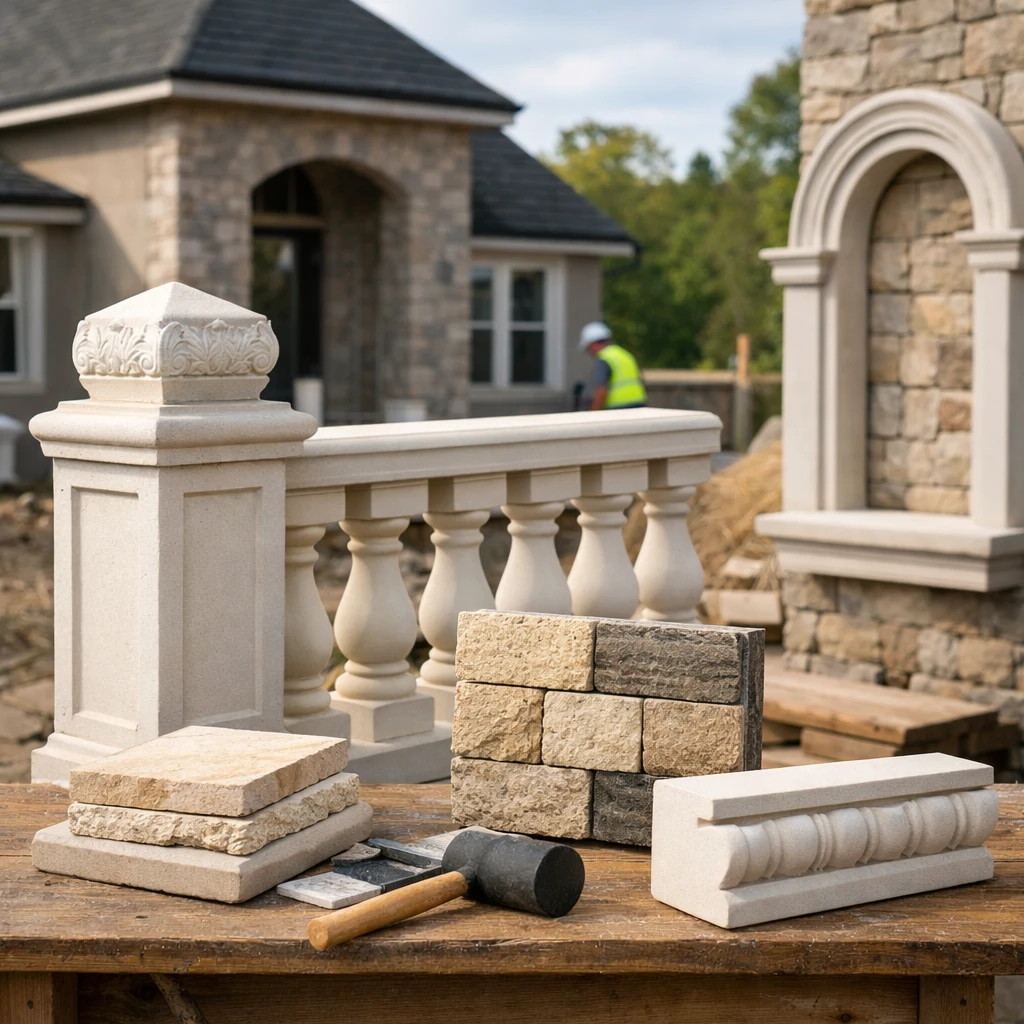
- Decorative concrete elements such as coping, columns, balustrades, pier caps, and wall caps
Why do decorative building materials matter?
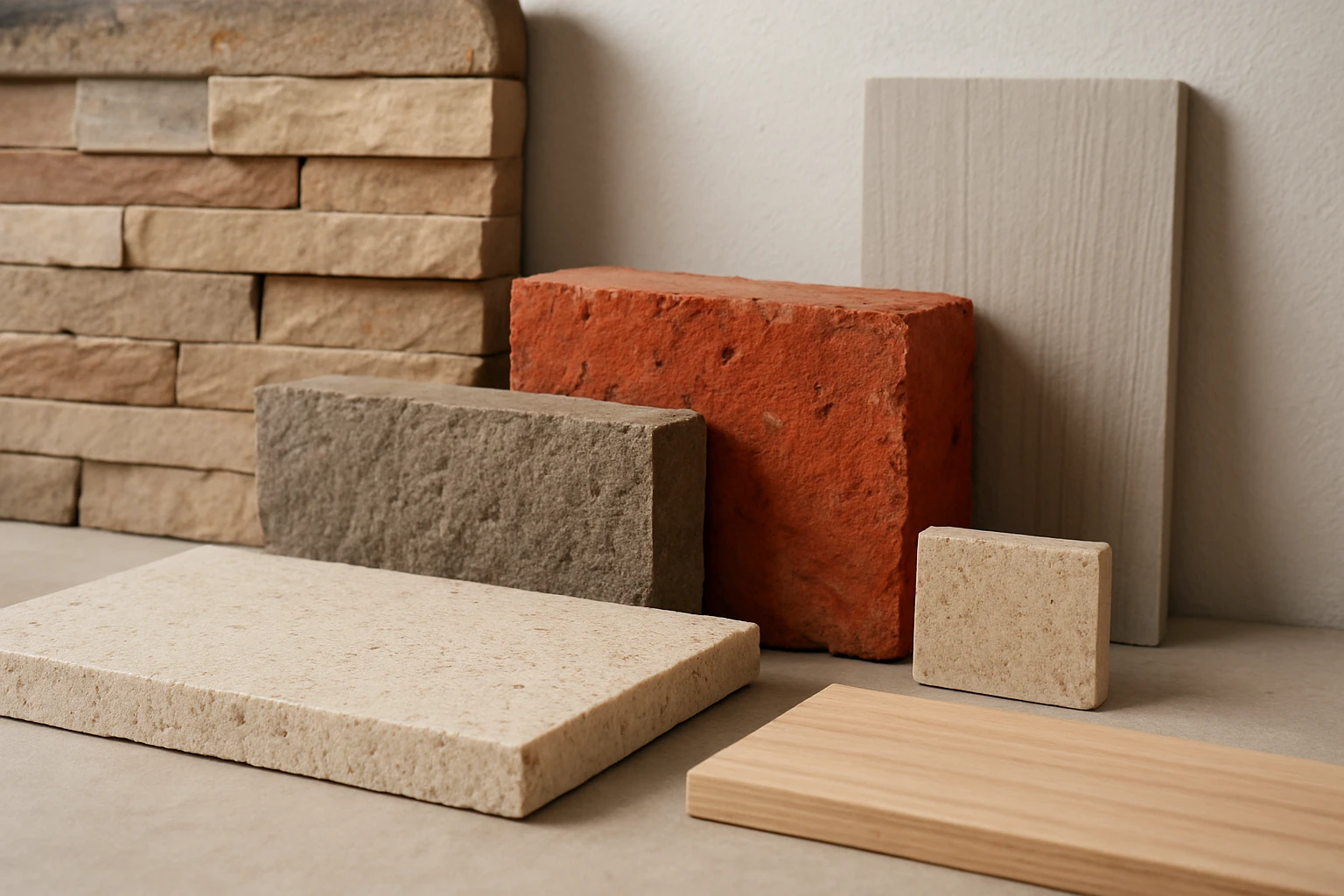
They matter because they influence first impressions, daily use, and long-term cost. A smart finish choice makes a project feel complete and durable. A poor one becomes a maintenance problem you notice every season.
Curb appeal and interior atmosphere
People respond to finish materials before they think about floor plans or framing. A brick entry with cast stone trim feels different from vinyl siding and flat stock. A lobby with warm wood, matte tile, and balanced lighting feels calmer than one filled with hard glare and noisy echo. Texture, color, reflectivity, and proportion all shape mood.
That is true in homes and commercial spaces alike. A homeowner might want a front elevation that feels settled and timeless. A builder working on a retail center may need a facade that reads clean and durable from the parking lot. An architect designing a medical office may care just as much about cleanability and acoustic comfort as looks.
Durability, maintenance, and repair costs
This is where finish decisions stop being cosmetic. Exterior decorative finishes have to handle weather, UV exposure, moisture, and freeze-thaw cycles. Interior finishes often have to answer different questions: Can you clean them easily? Will they hold up to carts, mops, pets, or kids? Do they suit the fire and occupancy demands of the space?
A glossy white grout line may look sharp in a sample board, then stain fast in a mudroom. A wood detail that looks rich on day one may need repainting or sealing every few years. A cheaper trim product can swell when it stays damp. When repair begins, you are not just buying material again. You are paying for labor, disruption, matching, and sometimes demolition.
A finish that looks great but can’t handle the site conditions becomes a maintenance problem fast.
Budget, resale value, and project positioning
Finish materials help set the tone of a project’s value. They do not guarantee resale price by themselves, but they absolutely affect perceived quality. Buyers, tenants, and visitors read those signals quickly. So do lenders and appraisers when overall condition and market positioning come into play.
Your real budget should include more than the sample price. It should include the full life of the choice.
- Installation labor and installer skill level
- Underlayment, fasteners, adhesives, and sealants
- Maintenance needs such as sealing, painting, or regrouting
- Repair complexity if one section cracks, chips, or fades
- Replacement availability if a product line changes or is discontinued
How do decorative building materials work in a building assembly?
They work as part of a system, not as isolated samples. Performance depends on the substrate behind the finish, the fastening or adhesive method, the sealants and movement joints around it, and the way the assembly handles moisture.
Substrate, fasteners, and adhesives
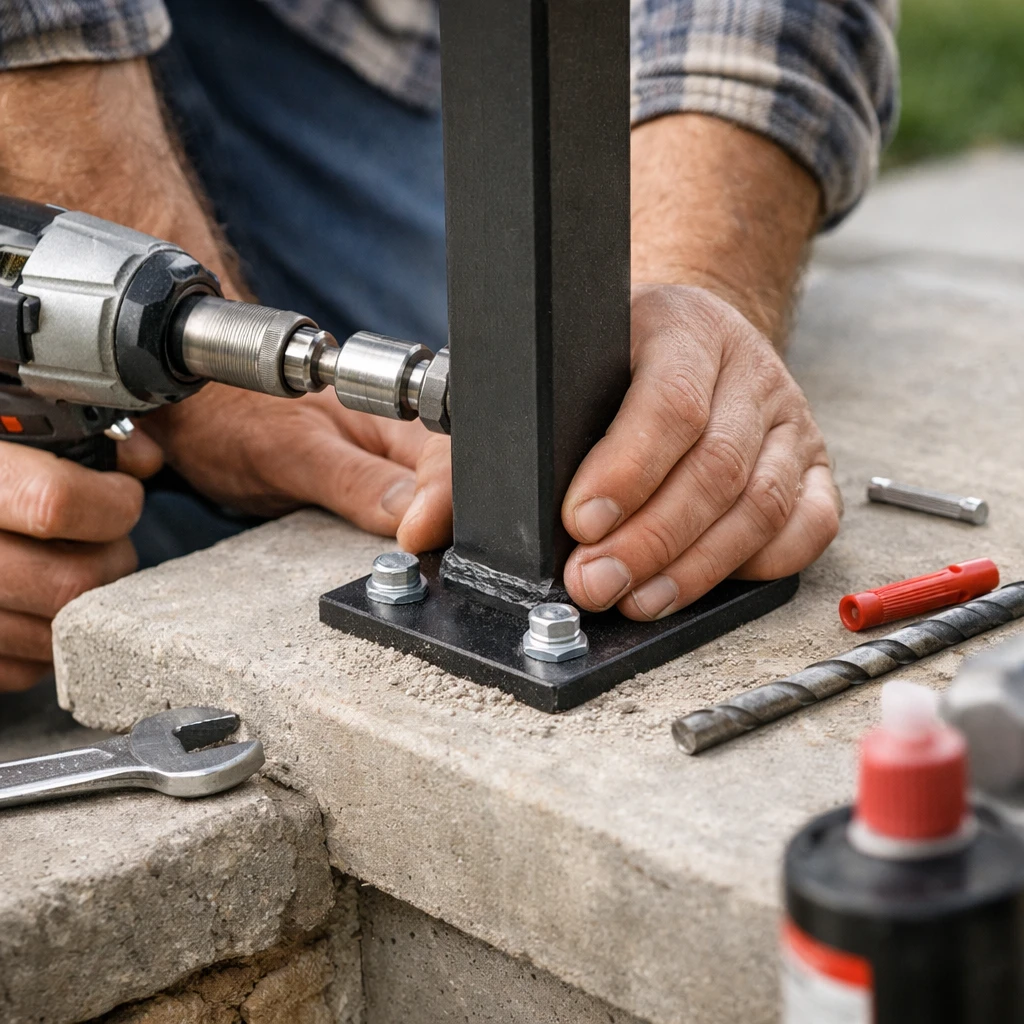
The substrate is the surface receiving the finish — drywall, cement board, plywood, masonry, concrete, or metal framing. That base matters. Tile installed over a stable, properly prepared backer behaves differently from tile set on a flexible or uneven wall. Stone veneer needs the right backup and attachment method. A heavy precast sill or coping piece needs support that matches its weight and exposure.
Fasteners and adhesives also change performance. Some finishes are mechanically attached. Others are adhered. Some use both. A metal panel system, for example, may rely on clips and furring. Thin veneer may use mortar or adhesive within a tested assembly. Decorative trim can be nailed, screwed, glued, or set into a larger system. If the attachment method is wrong, the best-looking material in the world will still fail.
Sealants, movement joints, and moisture control
Water is patient. It finds weak edges, open joints, bad transitions, and unprotected tops. That is why detailing around the finish matters so much. Sealants close gaps at windows, doors, control joints, and changes in material. Movement joints give materials room to expand and contract with temperature and moisture changes. Flashing and drainage details help water exit before it reaches sensitive layers.
Ignore those details and problems show up in familiar ways: cracked corners, loose tile, staining, spalling, swollen trim, or leaks around openings. Good detailing does not make a project flashy. It makes it durable. On a parapet wall, for example, coping is not just a cap for appearance — it helps shed water away from the wall below.
The substrate matters as much as the finish material itself.
When design and installation coordination matter most
Coordination matters most where conditions change: outside corners, inside corners, windows, stairs, parapets, transitions between materials, and long runs of facade. A clean rendering can hide a lot. The field condition never does. If brick meets metal panel at one corner and stone trim wraps a window head nearby, someone has to decide how those pieces align, where joints land, and how water gets out.
You can save yourself a lot of pain by reviewing a few basics before ordering or installation starts.
- Confirm the substrate type and condition.
- Verify the material is appropriate for the exposure and location.
- Review attachment, sealant, and movement joint details.
- Coordinate dimensions, corners, returns, and trim pieces across trades.
- Check lead times before the schedule depends on a finish that is not yet in hand.
What are the most common decorative building materials?
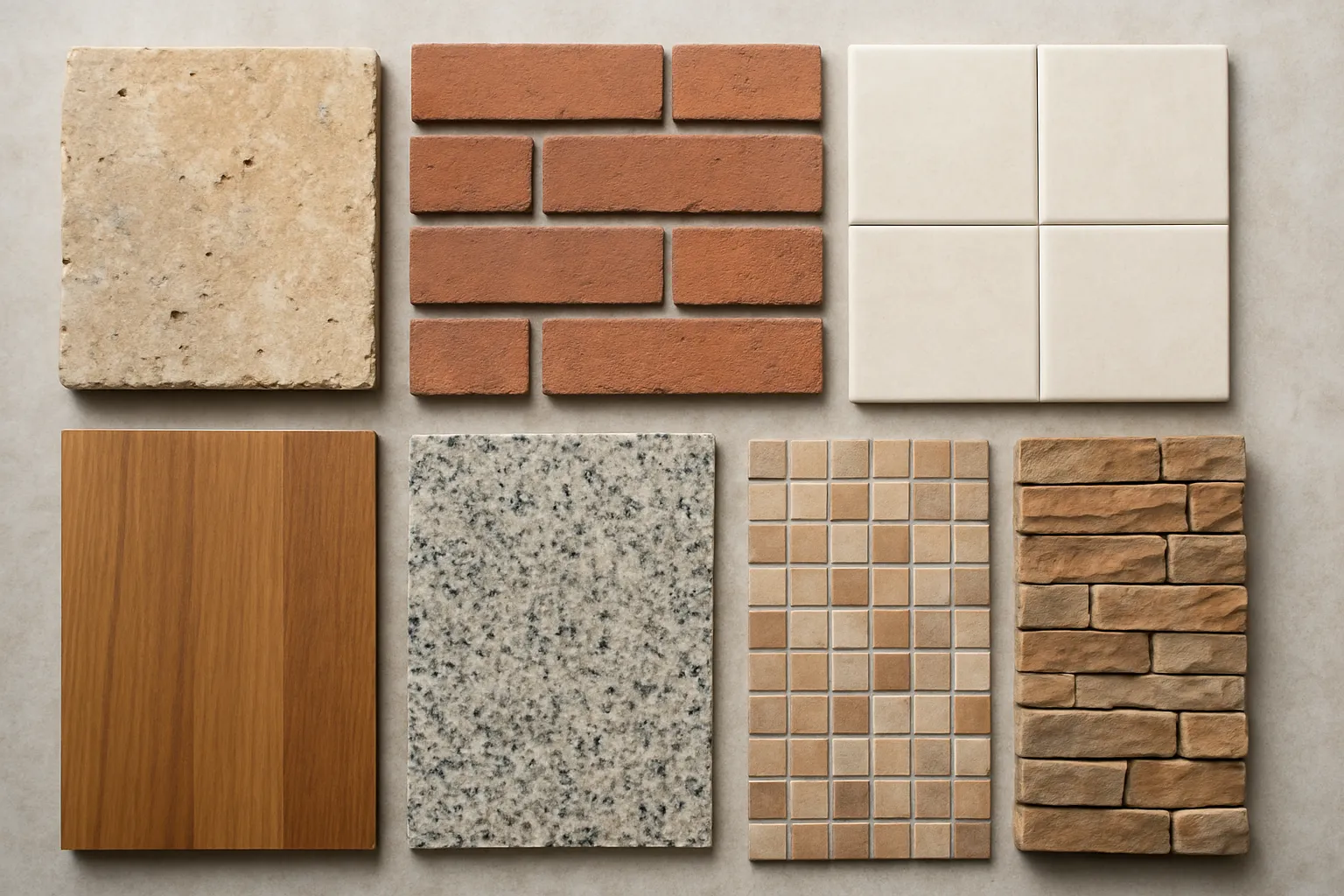
Most decorative building materials fall into three broad families: natural materials, hard-surface manufactured products, and synthetic or composite alternatives. Each family brings its own mix of texture, weight, durability, maintenance, and installation complexity.
Natural options: brick, stone, wood, and plaster
Natural materials tend to appeal because they age with character. Brick offers familiar scale, color variation, and durability. Natural stone adds depth, shadow, and a sense of permanence, whether you use it as veneer, trim, or paving. Wood brings warmth and softness that concrete and metal do not. Plaster can deliver smooth planes or traditional detailing that changes the way light moves across a room.
Those strengths come with tradeoffs. Brick and stone can add weight and require careful support. Wood needs protection from moisture, UV, insects, or repeated repainting depending on the species and location. Plaster looks refined, but movement in the substrate can telegraph cracks. On a 1920s-style facade or a modern fireplace surround, those choices can be beautiful — if you respect the conditions.
Hard-surface choices: tile, metal, glass, and decorative concrete
Hard-surface materials often win where you need crisp lines, washability, or strong weather resistance. Ceramic and porcelain tile dominate wet areas because they clean well and come in almost endless sizes and finishes. Metal panels and trim can give a project a sharp contemporary edge. Glass blocks or decorative glazing features can bring light while preserving privacy.
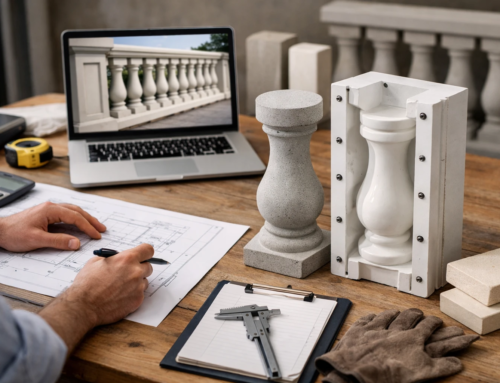
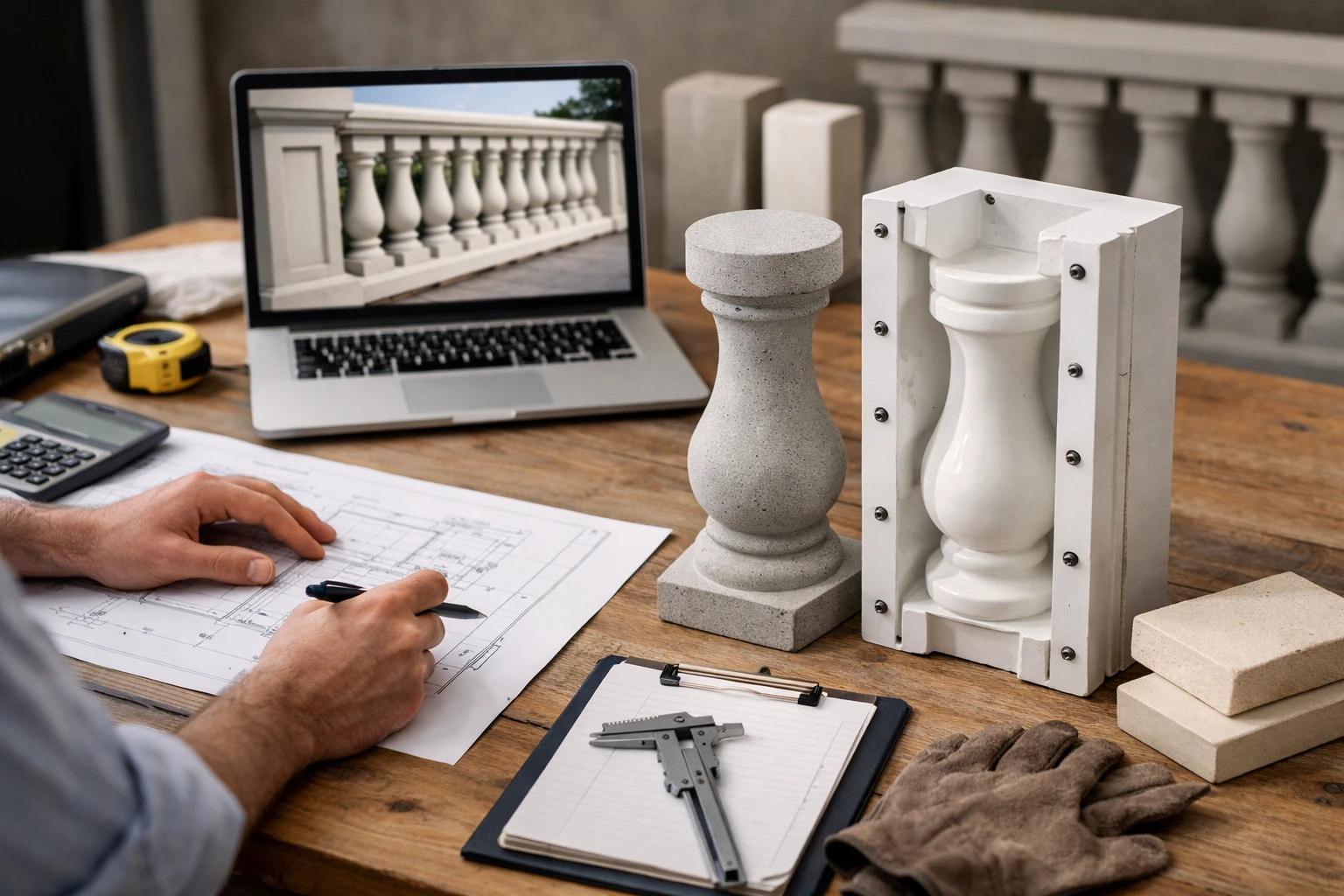
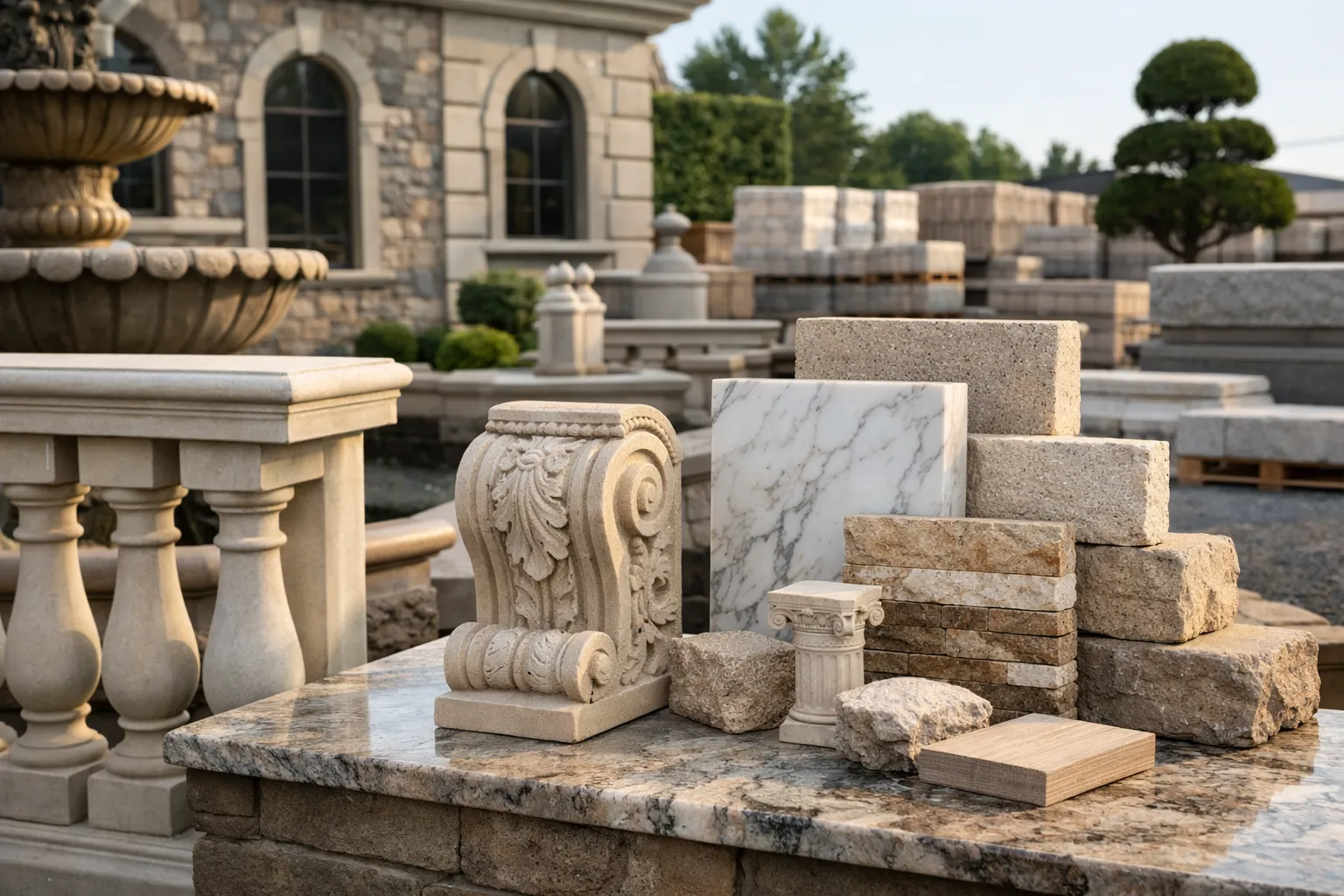
Decorative concrete is a large category on its own. It includes pavers, coping, thin veneer, stone moldings, columns, balustrades, pier caps, wall caps, and other cast architectural details. These products can deliver a carved-stone look with controlled manufacturing and repeatable profiles. That is one reason manufacturers like Coral Cast focus on architectural precast concrete and stone products for both residential and commercial work.
| Material Family | Common Examples | Where It Shines | What to Watch |
|---|---|---|---|
| Natural | Brick, natural stone, wood, plaster | Character, texture, traditional appeal | Weight, weathering, sealing, cracking, upkeep |
| Hard-surface | Tile, metal panels, glass block, decorative concrete | Cleanability, crisp detailing, durability | Attachment details, movement, edge conditions, slip concerns |
| Synthetic/composite | Cultured stone, PVC trim, composite cladding, engineered products | Lower weight, easier handling, cost control | Sun aging, visual authenticity, repair matching |
The best-looking material is not always the best-performing one for the location.
Synthetic and composite alternatives
Synthetic and composite products try to bridge the gap between appearance and practicality. Cultured stone can mimic natural stone with less weight. PVC trim resists moisture better than some wood products. Engineered panels and composite claddings can simplify installation, reduce maintenance, or lower shipping weight. That can be useful on remodels, upper floors, or jobs with tight labor windows.
Still, imitation has limits. Some products fade differently in strong sun. Some sound hollow when tapped. Some repair badly after impact because patching is visible. And some simply do not carry the same visual depth as the material they imitate. That does not make them bad choices. It means you should judge them on the actual project, not just the promise on the sample board.
What questions should you ask before choosing one?
Start with practical questions, not emotional ones. Before you fall for color or texture, make sure the material fits the location, the maintenance plan, the schedule, and the code requirements.
Is it rated for interior or exterior use?
This is the first filter. A finish that performs well in a powder room may fail at an exterior porch. Ask whether the product is intended for interior or exterior use, and whether it suits the exact condition: direct sun, wind-driven rain, foot traffic, moisture, or freeze-thaw. Flooring also raises a different question than wall finish does. A wall tile is not automatically a floor tile. An interior trim board is not automatically a good exterior casing.
You should also check local code requirements and assembly compatibility. Depending on the project, that can touch fire performance, moisture protection, slip resistance, or installation method. If you are working on a commercial corridor, multifamily facade, or public entry, those questions get even more serious.
How much upkeep will it need over time?
Every finish has a maintenance story. Ask what cleaning products it tolerates, whether it needs sealing, whether it must be painted, how often joints need attention, and what happens if a single piece gets damaged. A homeowner may accept yearly upkeep on stained cedar. A property manager running several apartment buildings may prefer a low-maintenance precast or tile system that asks less over time.
Replacement cost matters too. If one cracked unit can be swapped from stocked inventory, your future repair is simpler. If the color varies wildly lot to lot or the product is often discontinued, a small repair can turn into a larger patchwork problem. Lead time belongs in this same conversation, because future availability affects ownership just as much as original price.
Ask about installation, maintenance, and replacement before you fall in love with the sample.
Will it fit the budget, schedule, and local code?
Budget is more than cost per square foot. Some materials are affordable to buy but expensive to install. Others cost more upfront but save on painting, repairs, or callbacks. Schedule can shift the answer too. A readily available paver or wall cap may keep the project moving, while a special-order item can stall the crew for weeks. That matters whether you are renovating a front stoop in Queens or detailing a new mixed-use facade.
When you are comparing options, a short checklist helps keep the conversation honest.
| Question | Why It Matters | Possible Red Flag |
|---|---|---|
| Is it rated for this location? | Interior, exterior, wet area, and traffic level all change performance | Sample looks right, but the product is not approved for the exposure |
| What substrate does it need? | Wrong backing leads to cracks, bond failure, or movement issues | Installer says “we can make it work” without a clear detail |
| What upkeep does it require? | Sealing, painting, or frequent cleaning changes ownership cost | No one can explain the maintenance plan clearly |
| Can damaged pieces be replaced? | Future repairs are easier when parts are available and consistent | Product line changes often or lead times are unpredictable |
| Does it meet local code? | Compliance affects approvals, safety, and liability | Supplier cannot confirm suitability for your project type |
| Will it fit the schedule? | Lead time and sequencing can disrupt the whole job | Critical trim or facade pieces arrive after surrounding work is complete |
- Ask for installation guidance, not just a color chart.
- Ask who handles accessories, corners, returns, and trim pieces.
- Ask what the product will look like after sun, water, cleaning, and wear.
- Ask whether the material can be matched later if you expand or repair the project.
Decorative building materials do more than dress a building up — they shape how it looks, wears, and ages.
When you compare samples, think past the showroom moment. Ask how the finish attaches, how it handles water and movement, and what it will demand from you after five winters or five tenant turnovers.
That is when decorative building materials start working for you instead of against you. Which surface will still feel right on your project after weather, traffic, and time have had their say?
Shape Lasting Spaces With Coral Cast
Coral Cast’s Architectural precast concrete manufacturing gives homeowners and project teams properly cured, maintenance-free stone in styles and colors with New York production, showroom guidance, free estimates, and U.S. shipping.