
7 Free House Value Estimates Myths Debunked
At your kitchen table, three home-value numbers sit side by side with renovation receipts, a tape measure, and a stack of closing papers. One says $642,000. Another says $611,000. A third says $660,000. That is the moment free house value estimates stop feeling simple.
You are not imagining the confusion. The major tools all promise a fast snapshot, but they do not all mean the same thing by “value,” and they do not all build that number the same way. If you just replaced a roof, added a bathroom in 2024, or upgraded a facade, the gap can feel even wider.
Here is the practical view: treat every online number as a starting point. Useful, yes. Final, no. Once you see where the myths creep in, you can read those estimates with a much steadier hand.
1. Myth: A free house value estimate is the same as an appraisal
What people assume
If a website gives you a precise number for 14 Maple Drive, it feels official. Redfin even describes its tool as a free, instant home-value estimate. That is genuinely helpful for a first pass, but the word “estimate” carries the whole story. You are looking at a quick model, not a lender-grade opinion formed after someone studies condition, layout, deferred maintenance, and hyperlocal sales.
Why the difference matters
Bank of America says its Home Value Estimator is intended to be used for illustrative purposes only and does not represent an appraisal or confirmation of actual home value. That line matters when your next step affects real money — refinancing, setting a listing price, planning a HELOC, or dividing property in probate. An appraisal has a formal role. A free estimate does not.
Quick example
Say your online result shows $525,000. Then a lender’s appraiser comes in at $498,000 because the comparable sale you were mentally using backed to a park, while your lot backs to Route 27 and needs a new HVAC system. Same ZIP code. Very different consequence.
Rule of thumb: if the decision needs a formal number, a free estimate is only step one.
2. Myth: All free house value estimates use the same data
What people assume
It is easy to think every tool is pulling the same address, the same public record, and the same sold homes. If that were true, the numbers would cluster tightly every time. They do not. Pennymac says its estimate is based on public data and market trends, and it also says the report includes comparable sales plus map views, including street and aerial views of the property. Redfin says its estimator shows nearby sales and market trends.
Why the difference matters
Those are not trivial differences. One model may react faster to a burst of spring sales in your subdivision. Another may lean harder on slower-moving county data. A third may give more weight to neighborhood context you can see from an aerial image — a corner lot, a commercial parcel behind the house, or an oddly shaped site. That is why two tools can differ by $20,000 or $40,000 without either one being absurd.
| Estimator example | Inputs called out in the excerpt | Why the result may differ |
|---|---|---|
| Pennymac | Public data, market trends, comparable sales, street and aerial map views | Public-record timing and neighborhood context can shift the model |
| Redfin | Nearby sales, market trends, user-updated home facts and photos | Recent comps and refreshed property details may change the picture faster |
Quick example
Picture a brick colonial in Westchester with a detached office over the garage. One tool may ignore that feature if it is missing from the public record. Another may inch higher because nearby upgraded homes sold well in the last 60 days. When you see a $34,000 spread, compare the inputs before you judge the output.
If two estimates disagree, compare the inputs before you trust the number.
3. Myth: Outdated property details mean the estimate is useless
What people assume
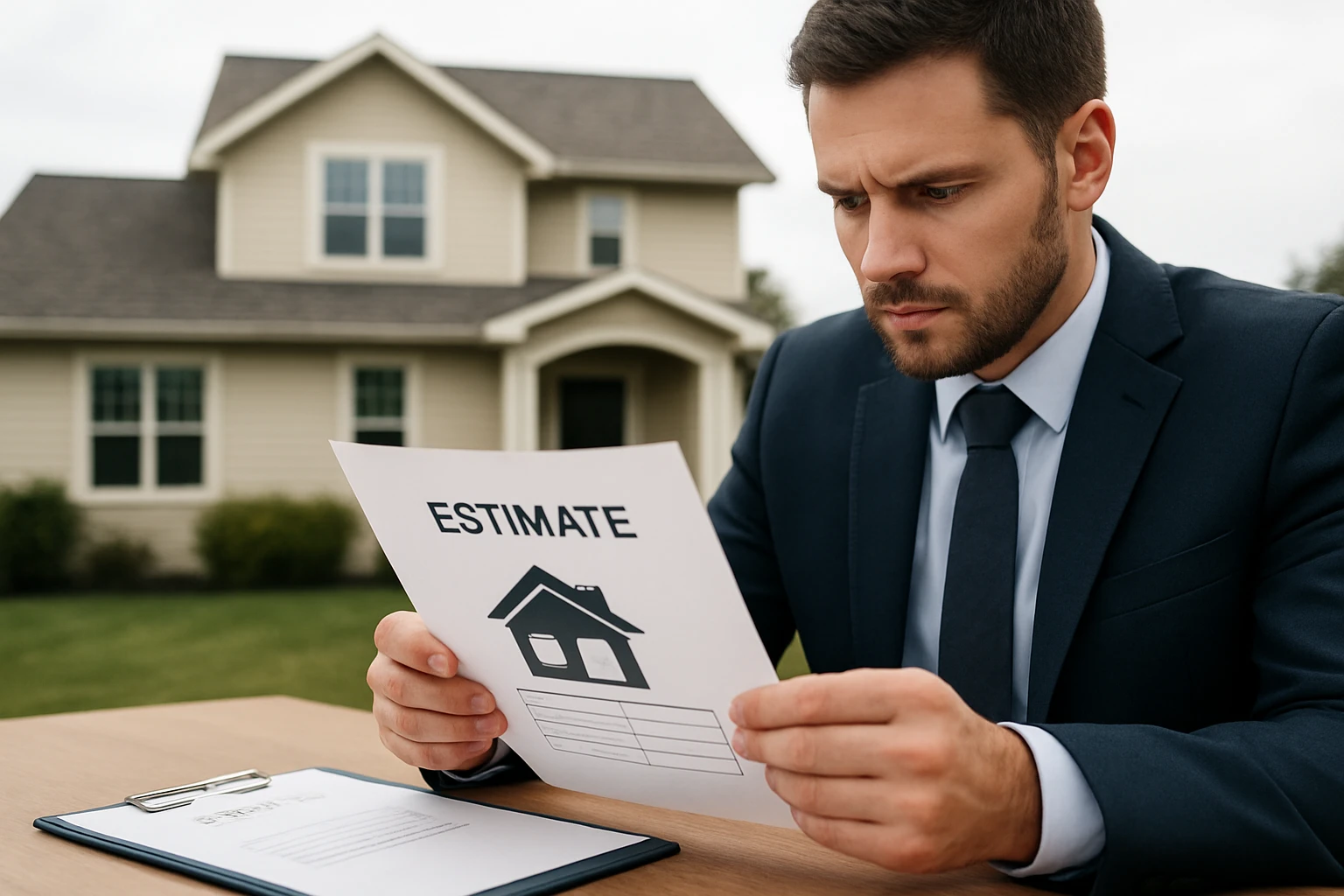
You spot the wrong bath count or square footage and decide the whole estimate belongs in the trash. That reaction is understandable. Still, stale facts do not erase every signal. Location, lot size, build year, surrounding sales, and neighborhood price movement can still make the estimate useful as a rough band.
Why the difference matters
Pennymac says its valuation pulls from third-party public municipal records, and outdated details usually mean the local database has not yet reflected recent renovations or upgrades. It also says you may need to contact your local county tax assessor’s office to update the home’s official facts. If you skip that step, every future estimate may inherit the same bad baseline.
Quick example
Your property still shows 1.5 baths even though you added a full bath in 2024 and pulled permits. Do not throw out the estimate and move on. Use it as a floor, fix the county record, then check whether the refreshed result lines up better with homes of similar size in the same school district.
Don’t throw out the estimate — fix the record if the facts are stale.
4. Myth: Recent renovations automatically show up in a free estimate
What people assume
You spend $40,000 on a kitchen, $18,000 on new pavers, or several thousand more on exterior stone details, and you expect the online number to pop the next week. Real life is slower. Renovations only help the estimate when the data source has caught up or the platform lets you refresh the home facts in a way that affects the profile.
Why the difference matters
Pennymac says property details can look outdated when public county and municipal records have not yet caught recent renovations or upgrades. Redfin says users can update home facts and photos in its estimator. That means your remodel may be real, finished, and fully paid for while the estimate still “sees” the older version of the property.
Quick example
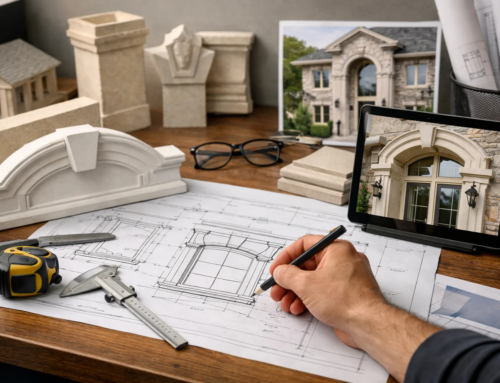
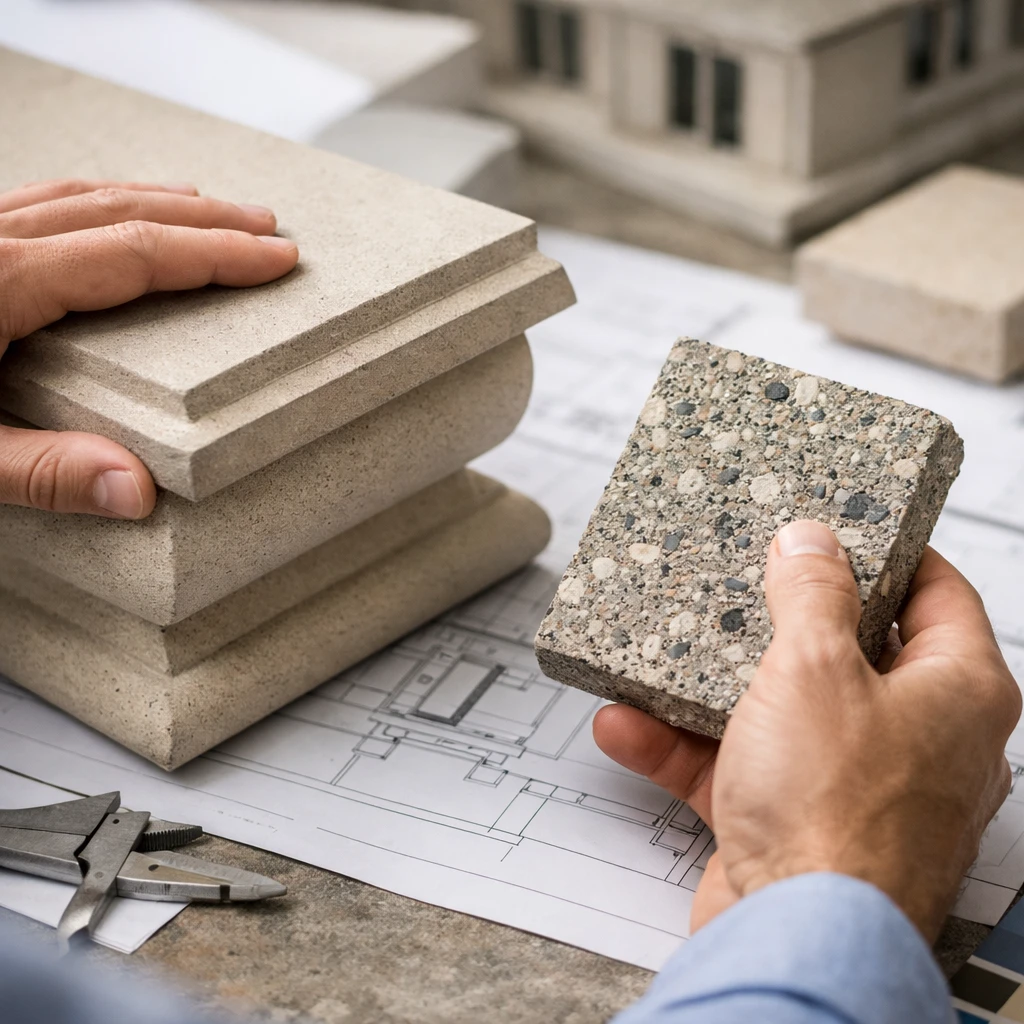
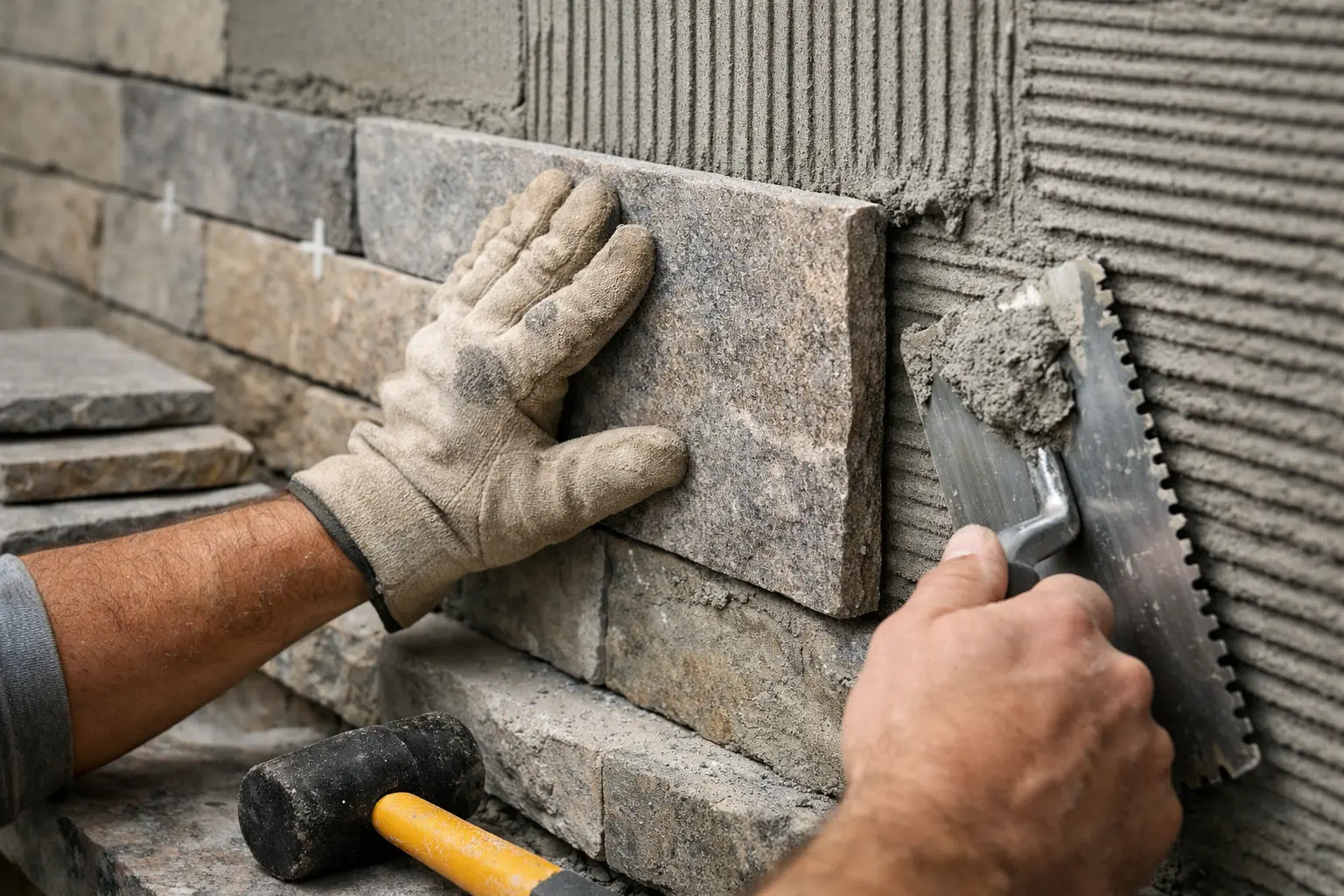
A Brooklyn homeowner updates the front elevation with new coping, thin veneer, and stone moldings after repairing a stoop and entry. In person, the curb appeal is night-and-day different. Online, the estimate barely moves because the public record has not changed and the visual profile still leans on older information.
A fresh remodel without fresh records can leave your estimate stuck in the past.
5. Myth: One high estimate proves your home is worth that amount
What people assume
When one site tells you $710,000 and the others land at $678,000 and $681,000, the temptation is obvious. You want the top number to be the real one. Most owners do. But a single high estimate is not proof. It is just one model’s reading of imperfect data.
Why the difference matters
Pennymac says its estimator includes comparable sales. Redfin says its estimator shows nearby sales and market trends. That context matters far more than the loudest number on the page. What you want is overlap: a sensible range where several estimates and recent sold homes start telling roughly the same story.
- Do two or three estimates overlap within a reasonable band?
- Do nearby sold homes support that band?
- Does the outlier rely on stale facts, weak comps, or a very different condition level?
Quick example
If three similar colonials sold between $672,000 and $685,000 in the past 90 days, a lone $710,000 estimate deserves skepticism, not celebration. Use the outlier as a prompt to inspect the data. Do not build your asking price around wishful thinking.
Look for agreement across multiple sources; outliers are where mistakes hide.
6. Myth: Photos are just cosmetic in a free house value estimate
What people assume

Photos seem like listing material, not valuation material. They do not add bedrooms. They do not change lot size. So people assume images are irrelevant to the estimate itself. That is too simplistic, especially when public records are thin, late, or plain wrong.
Why the difference matters
Redfin says users can update home facts and photos in its estimator, and Pennymac says its tool includes map views, including street and aerial views. That does not prove every estimator “scores” pictures the same way. It does show that the digital profile around your house is not just decoration. Fresh visuals can help keep the property record aligned with reality when the official file lags behind.
Quick example
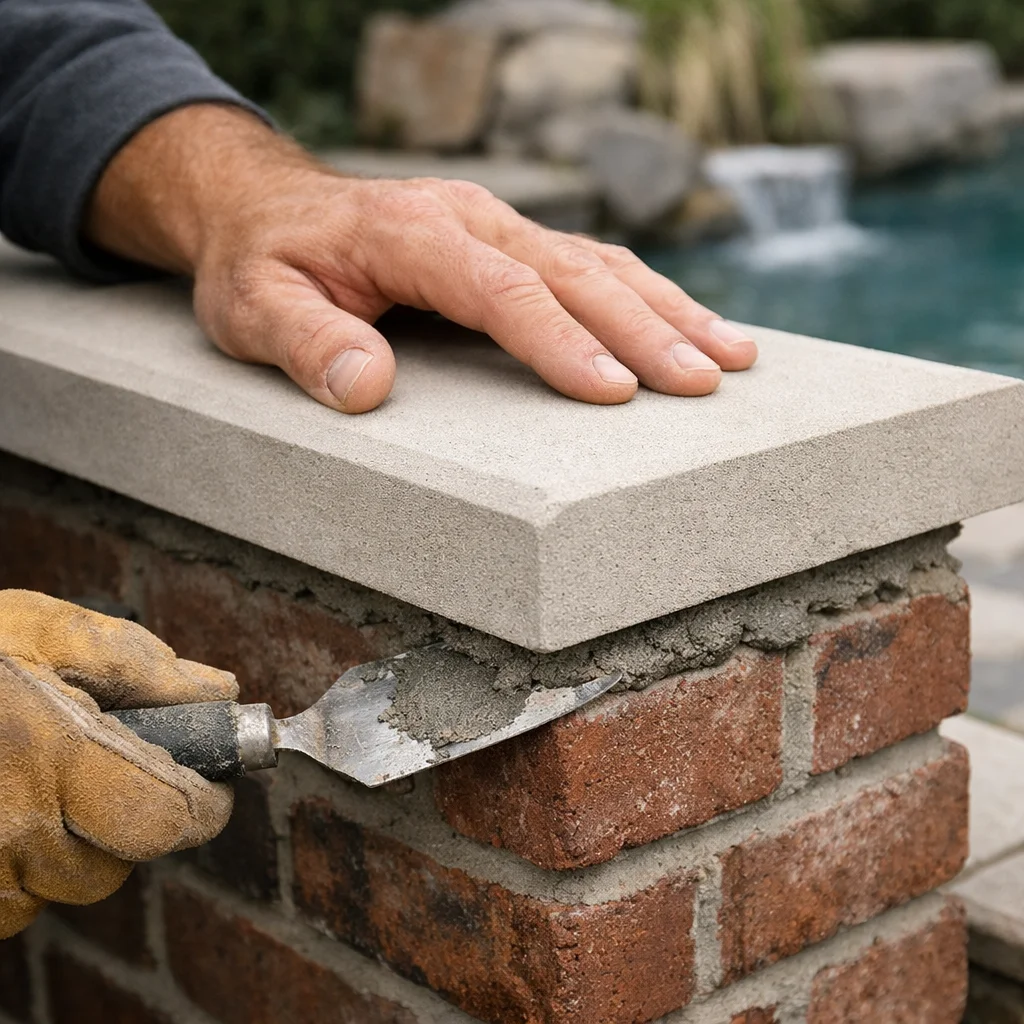
Imagine a property that added new wall caps, front-walk pavers, and entry columns in 2025. If the online view still shows patchy landscaping, dated railings, and weathered concrete, the estimate may lag because the broader picture of the house is still stale. Clean facts and current visuals work better together than either one alone.
If the photos and facts are stale, the estimate can lag even when the house has improved.
7. Myth: Free house value estimates can replace a professional appraisal every time
What people assume
If two or three tools cluster near the same value, you may feel done. For casual planning, that is often enough. For high-stakes decisions, it is not. Even when the estimates look tidy, they are still fast digital snapshots built for convenience, not formal reliance.
Why the difference matters
Bank of America says its Home Value Estimator is intended to be used for illustrative purposes only and does not represent an appraisal or confirmation of actual home value. That warning matters when the number affects financing, taxes, legal filings, insurance disputes, or estate work. In those moments, you need a documented valuation process, not just a credible-looking range on a screen.
Quick example
A builder refinancing a spec home in Suffolk County may see free estimates between $885,000 and $910,000. The lender still orders an appraisal. If the appraiser lands at $872,000 because the finish level differs from the best nearby comp, the loan terms follow the appraisal — not the nicest online number.
If money, financing, taxes, or legal decisions depend on it, use an appraisal.
How to choose the right option
Use a free estimate when you want a fast starting point
Redfin says its estimator is free and instant and includes nearby sales and market trends. That makes a tool like this useful when you are doing early homework: checking rough equity, deciding whether a move is even plausible, or pressure-testing whether a renovation budget makes sense before you call an agent, lender, or appraiser.
Compare multiple estimates when you need a realistic range
Pennymac says its estimate uses public data, market trends, and comparable sales. That makes it a strong second opinion. Put two or three estimates beside recent sold homes, then look for the overlap. If you are a homeowner planning a sale, a contractor pricing a fix-and-flip, or an architect budgeting an exterior update, a range is far safer than a single headline number.
| Your situation | Best first move | Why it fits |
|---|---|---|
| Early planning or curiosity | Use one free estimate | Fast read on nearby sales and broad market direction |
| Pricing, budgeting, or renovation planning | Compare multiple estimates and recent comps | Different data inputs help you build a more realistic range |
| Financing, tax, or legal decisions | Order an appraisal | Illustrative tools are not formal confirmations of value |
Order an appraisal when the number affects financing or a legal decision
Bank of America says its estimator is illustrative only and not an appraisal. That is your dividing line. If being wrong by $25,000 would merely change your weekend mood, a free tool is fine. If being wrong would alter a refinance, a tax appeal, a settlement, or a closing strategy, pay for the formal opinion and document the basis.
Choose by stakes: curiosity calls for a free estimate, but decisions call for verification.
Free house value estimates work best as fast, useful starting points — not final answers.
They can show you a range, expose missing property facts, and point you toward better comparable sales. When the number drives pricing, financing, taxes, or legal paperwork, slow down and verify it.
Before you trust the next screen full of free house value estimates, what would you check first: the comps, the photos, or the county record?
Choose Better With Coral Cast
Get free estimates and showroom consultations for homeowners, builders, architects, contractors, and property owners selecting properly cured, low-upkeep New York-made precast concrete and architectural stone shipped nationwide.